Sevilla Activa holds collaborative workshops on the urban design of Barrio de Quarto in Bellavista
Participatory urban design takes centre stage in Seville with the first collaborative workshops for Barrio de Quarto, held from 22 to 24 April in Bellavista, promoted by the Diputación de Sevilla (Seville Provincial Council) and managed by Sevilla Activa. The sessions were attended by Cristina Salazar, Managing Director, and Rosa Estrada and María Murillo, urban planning coordinators, together with Pilar Pérez, general manager of Sevilla Activa.
The methodology organised Bellavista’s community groups into specific thematic groups, addressing mobility, sustainability and heritage as the core themes of the future development. This structure fostered a technical and neighbourhood debate on the key elements that will shape the new urban fabric and its connection with the existing one.
Notably, the public response far exceeded initial expectations. María Murillo highlighted the outcome: “The level of participation has exceeded our expectations. The contributions gathered will be key to consolidating a sustainable, inclusive urban model rooted in its territory.”
Features of the participatory urban design for the Quarto project
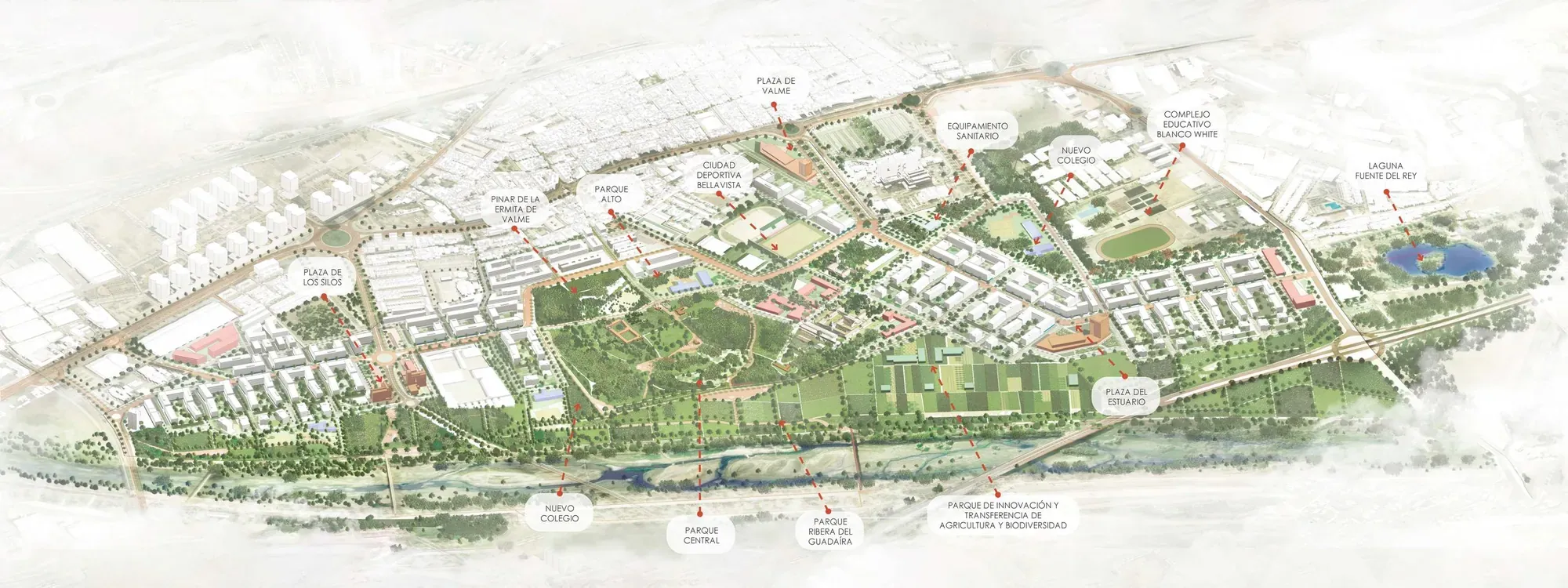
The methodological approach prioritised territorial integration, establishing criteria to connect the new neighbourhood with Bellavista and with its strategic relationship to the River Guadaíra. Specifically, the sessions defined sustainability parameters and facilities that will respond to the needs identified by residents themselves.
Pilar Pérez, for her part, stressed the collaborative philosophy of the project: “We want to build a neighbourhood with people, not for people. This active listening is essential for the new Quarto to connect with Bellavista, with the River Guadaíra and with the future of Seville.”
The workshops open a participatory phase of work that will continue through technical workshops and specialist forums. This active listening process will feed directly into the urban planning being developed by the practices EDDEA and Factor-IA, responsible for the technical drafting of the project.
The initiative is in line with contemporary trends in urban planning that place public participation at the heart of new residential development — something especially relevant in peri-urban developments that call for careful integration with the existing territory and the surrounding natural features.